

I’d watched it at least once or twice between 1979 and 2026. Three times? I doubt it and very likely no. Yesterday was, however, my renewed viewership of Nosferatu the vampyre (1979) by Werner Herzog. The director is an absolute intrigue for film lovers, or for many connaisseurs, or for people who are keen about certain kinds. For me, His The Enigma of Kaspar Hauser (1974) was a genre fallen into films based on unusual true stories. Kaspar Hauser, young man, was found in Neuremberg, Germany. For this film about Kaspar Hauser, my genre fallen film association with character-directors is very obviously The Elephant Man (1980) by David Lynch. Both are the 19th century Europe incidents, stories which really happened.
Herzog is not a director of 1970’s. He’s been active through decades since then and his documentary films are highly acclaimed. his documentary Grizzly Man (2005) was, well yes. about 20 years ago, but 2005 is much closer to our time than 1970’s is. For me, his Aquirre, The Wrath Of God (1972) is the one. The 16th century, Conquistadors, quest for Eldorado, Spanish troupe, aboriginals, Christianity, wild nature, God or Godless or different gods. Heat, height, river, fever, arrows and attacks. The cross did not mean anything for those who don’t know Christianity. In the end of Aquirre, animals prevail the scene. This end immediately came to me when I found a short video clip of Nosferatu the vampyre by Herzog on my X feeds. The clip was then out of my memory on the film, which was a proof that I'd not rewatched it for many and many years.
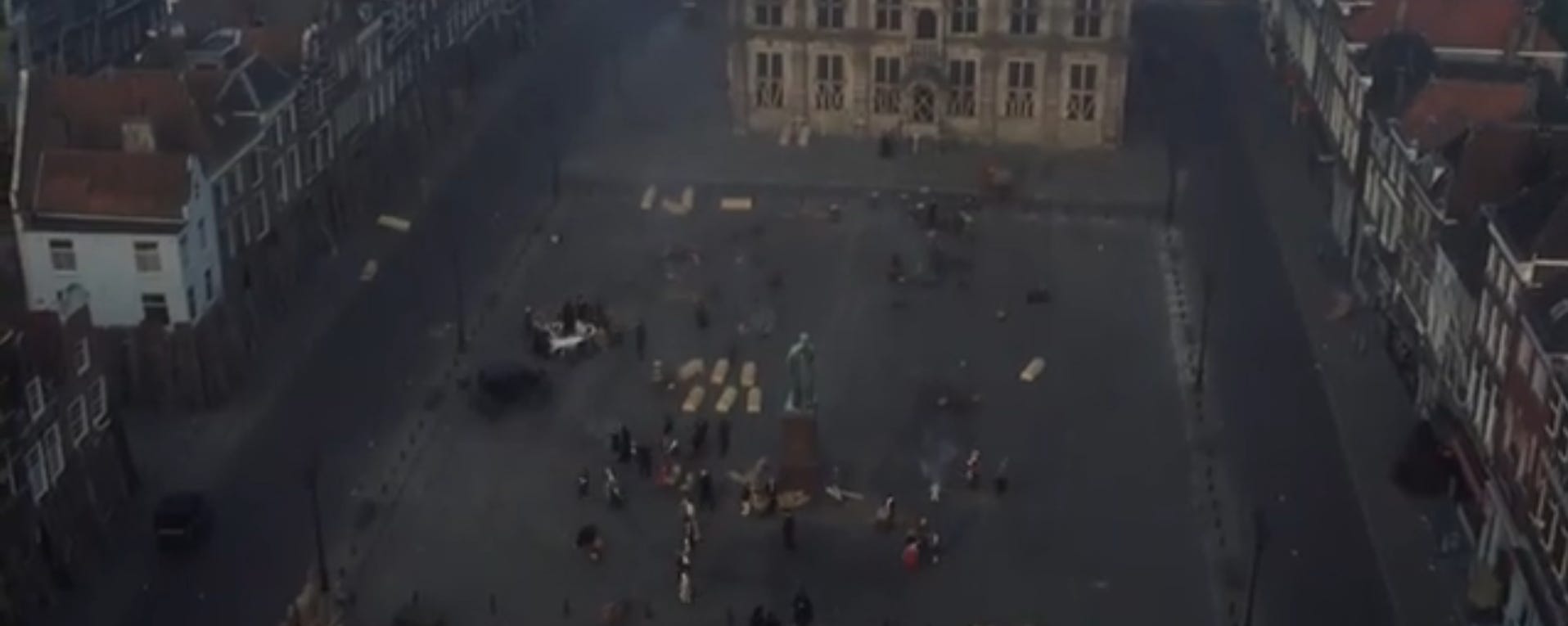
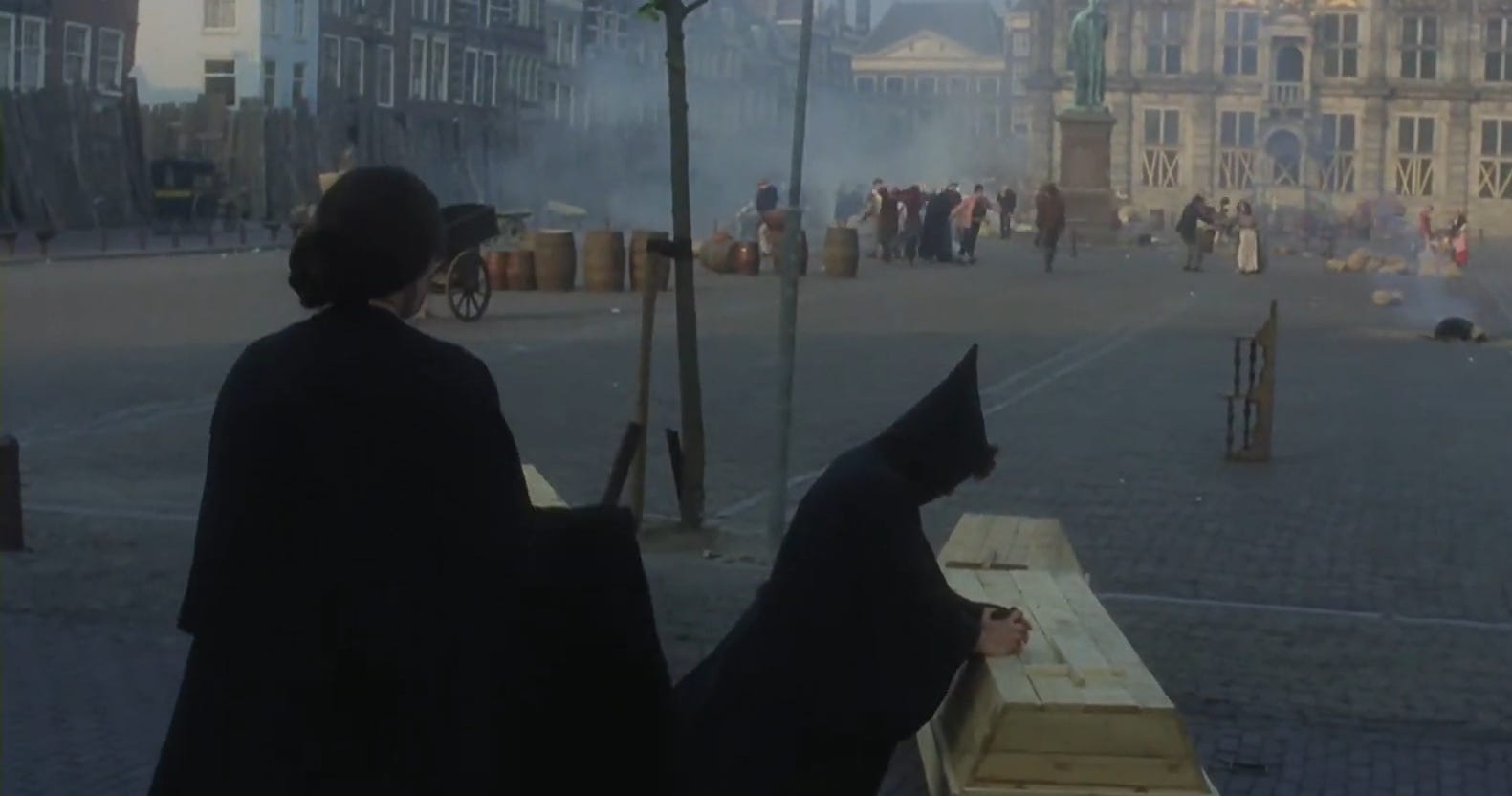
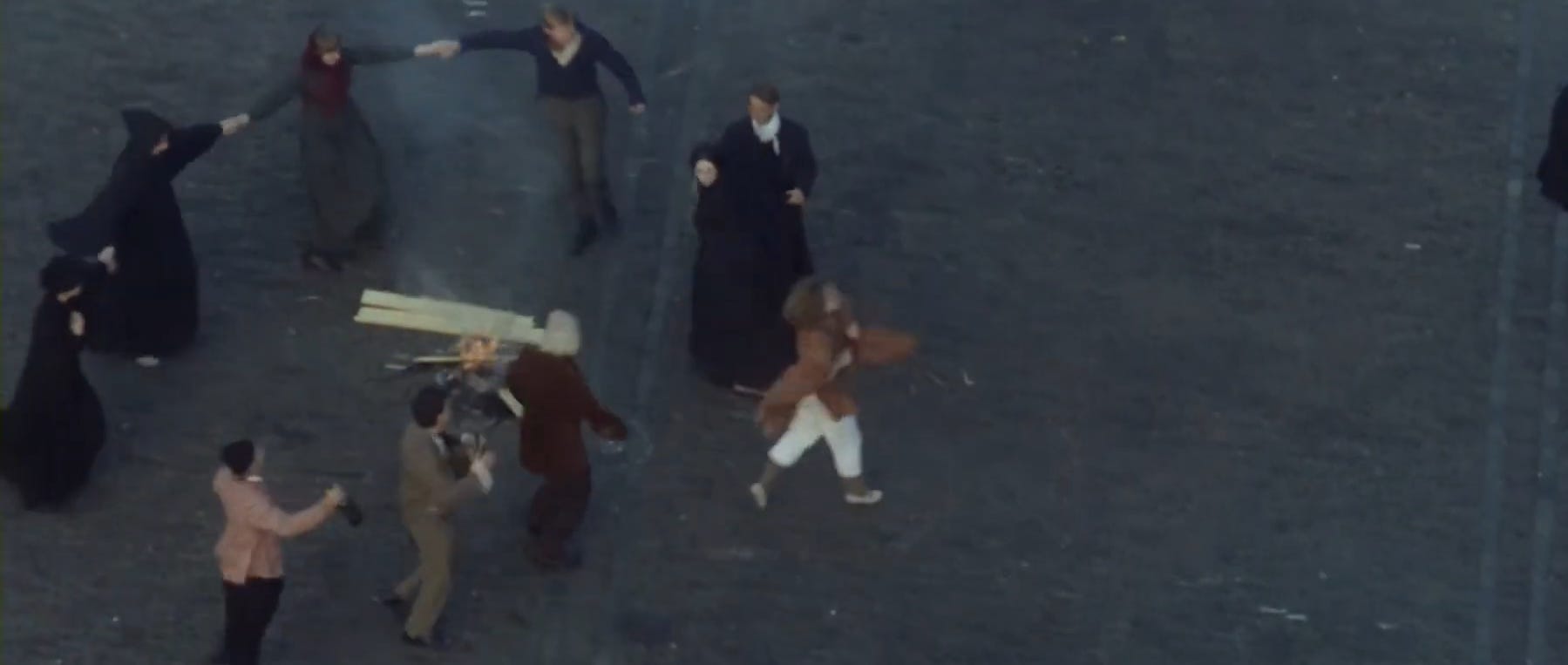
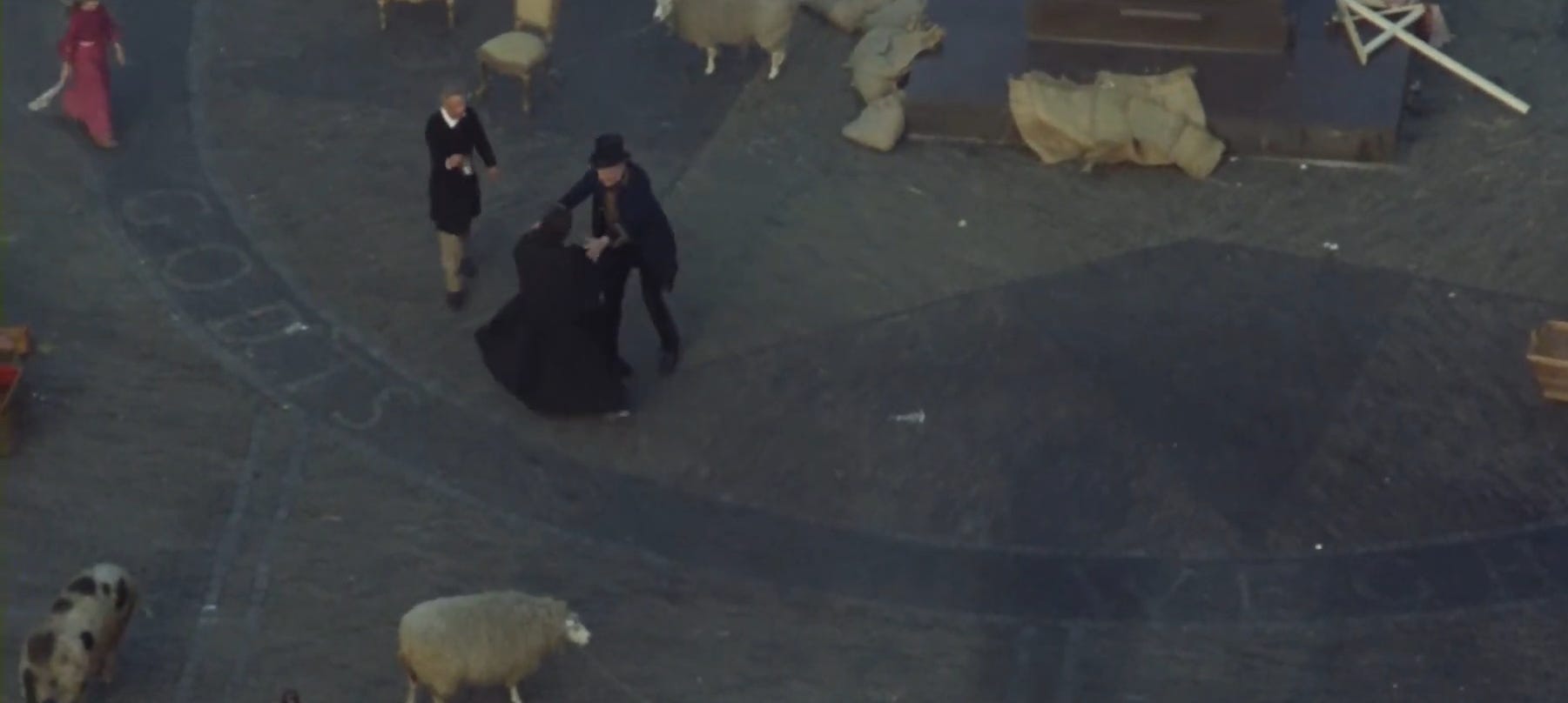
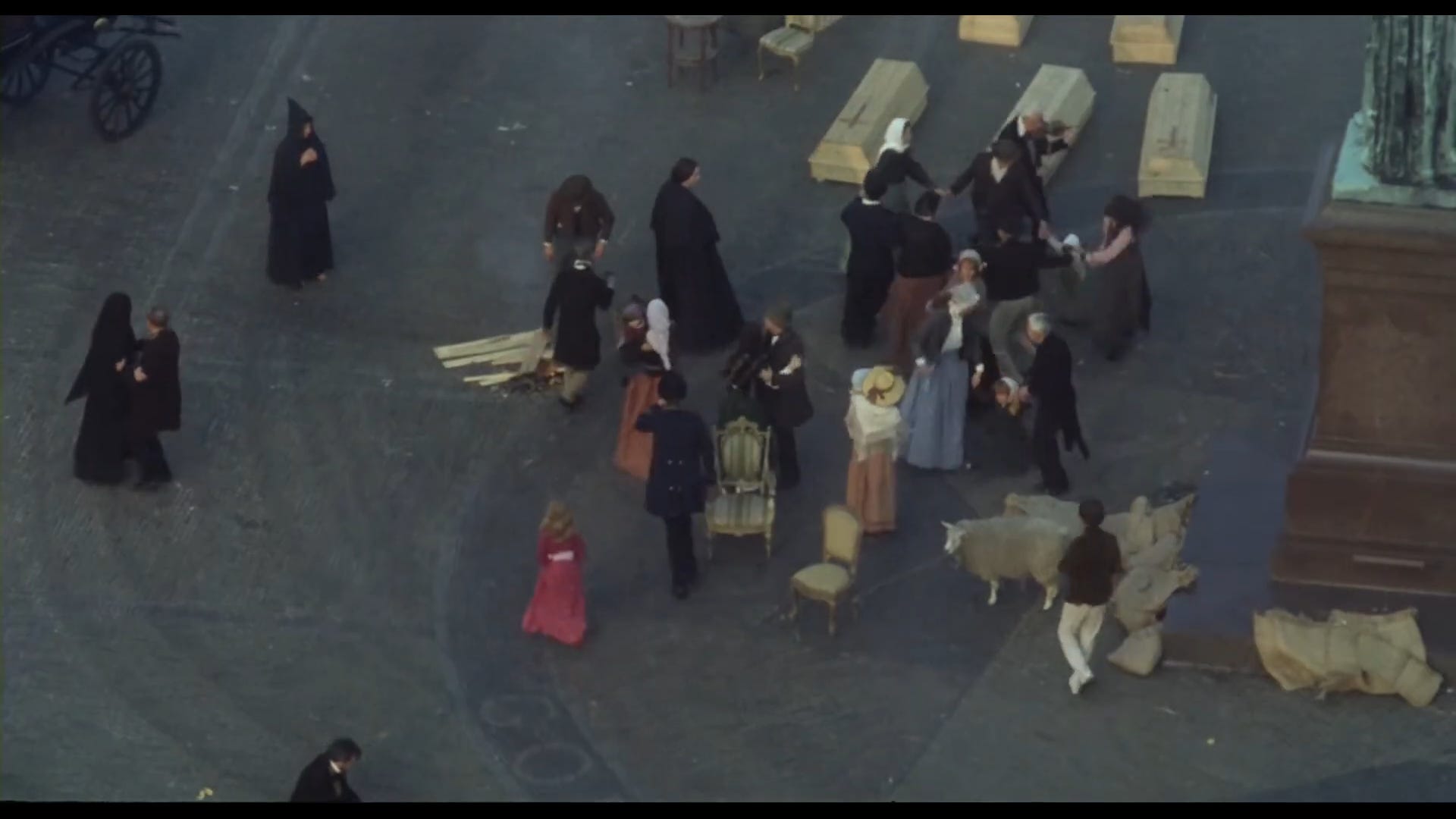
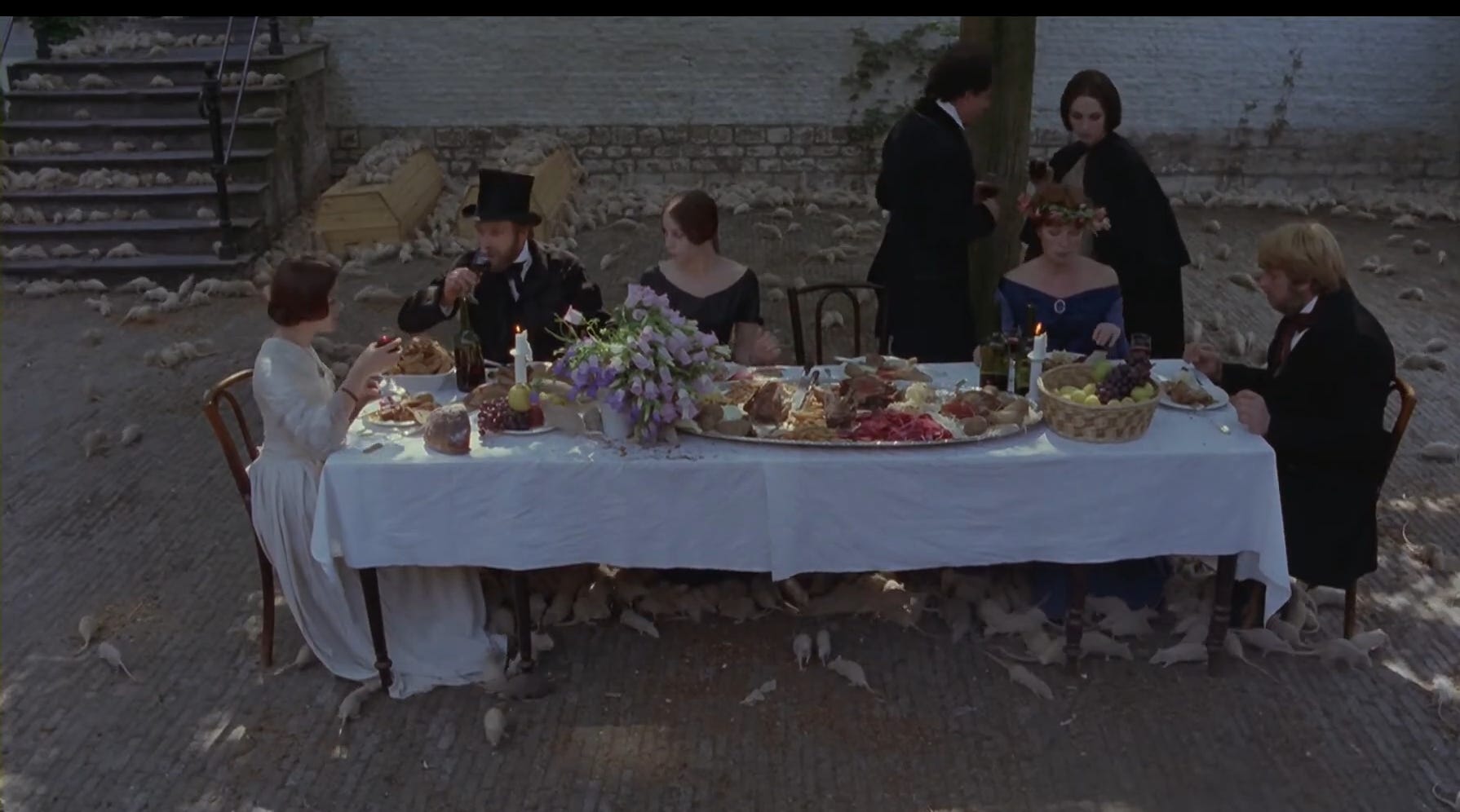
The video clip of Nosferatu on X turned out to be the best teaser sequence for the film. It is a lyric dream of scenes which do not make sense. There, a city ceased to function, coffins are lying around casually everywhere on ground. People are dancing as if for a festivity of insanity, no one takes care of sheep nor of goats, musical instruments are not properly played, Lucy alone walks through the surrealistic dream site of slow motioned horrors with no scream nor blood. Herzog’s Nosferatu the vampyre must be viewed precisely for this sequence. Although all vampire movies are more or less true for narrating Christianity, Herzog achieved something extraordinary in this film only by a few scenes. One is the dancing scene of people, another is the last supper, subsequently appeared in the same sequence, other is rats prevailing the same table with no people. The sequence is tracked by liturgical song for prayers. The very end of the story is also awed by a temporary defeat of God and Lucy. The triomphe of Comte Dracula is fading away into another land under the sky of terrifying sublimity in the end, superposed by Sanctus.
All images below are screenshots I made from YouTube.
**
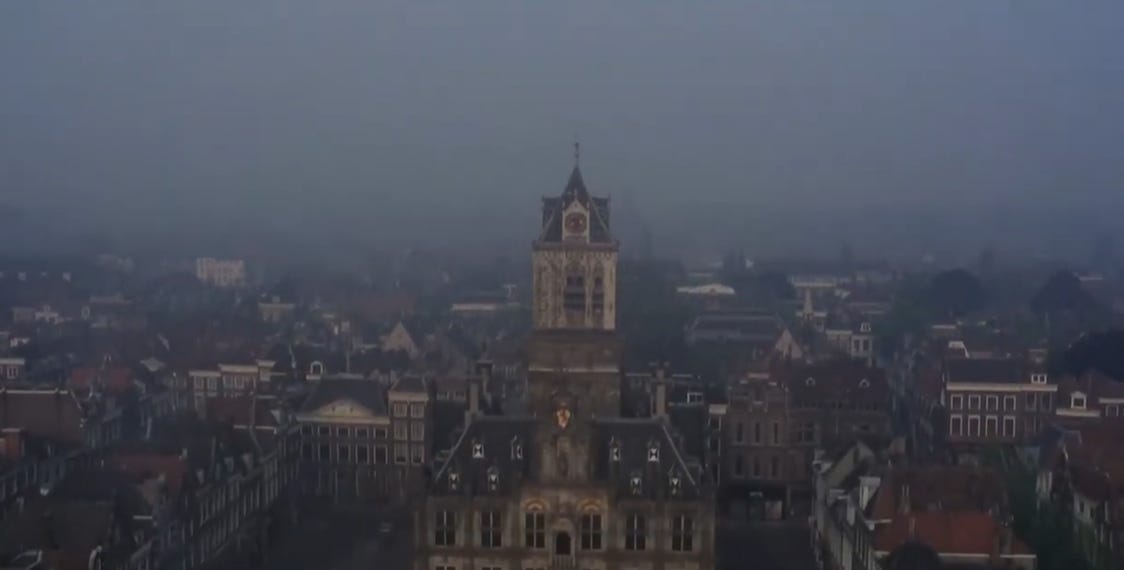
Nosferatu the vampyre.
**
**
**
**
**
**
**
Other remark I would like to make is on visionarily live paintings in the film as to be a literal motion pictures from historical 2D art references. Reminder could be from the 17th century Flemish and Dutch painters such as the Brueghel family, to Johannes Vermeer (1632-1675), to J.M.W. Turner (1775-1851). to David Friedrich (1774-1840), to Edward Burne-Jones (1833-1898). Almost all scenes are classically historic to an extent that one would be tempted to call it as picture history than movie horror. Allow me not to insert direct links to painters’ ouvres here for preventing my essay from becoming too much of an info piece, which I don’t want to wish. So, read my flash essay straight.
So, how about the pivotal antagonist, the star of the film, Dracula, for his artifact references? Jonathan (played by Bruno Ganz) runs into Turner’s landscape, Lucy (played by Isabelle Adjani) emits her mystic beauty of Pré-Raphael Romanticism in the 19th century, where Dracula (played by Klaus Kinski) might have gotten his proto image? I point out the early cinéma, The Cabinet of Dr Caligari (1921) by Robert Wiene, classically authenticated.
All images below are also screenshots I made from YouTube.
**
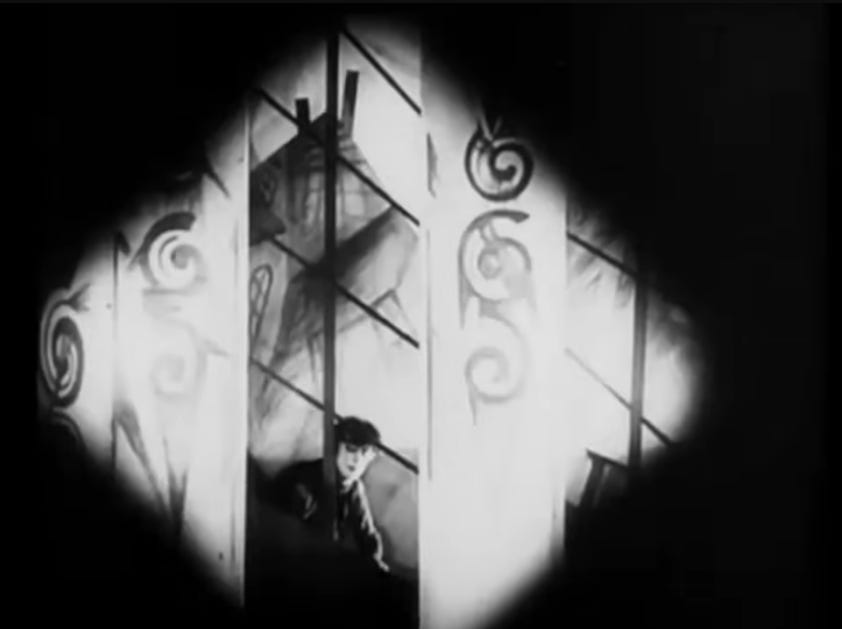
The Cabinet of Dr Caligari. The abstract patters seen are replicated as a candles holder in the castle in Transylvania in Nosferatu the vampyre.
**
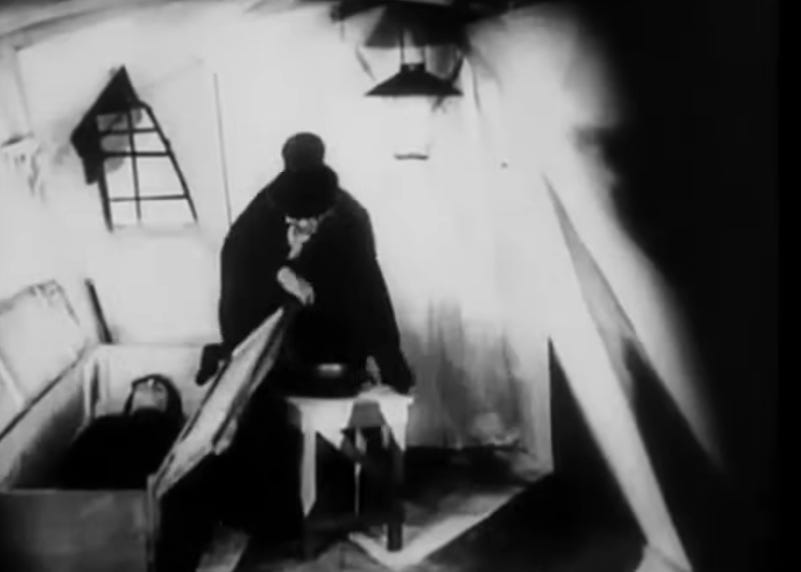
The Cabinet of Dr Caligari.
**
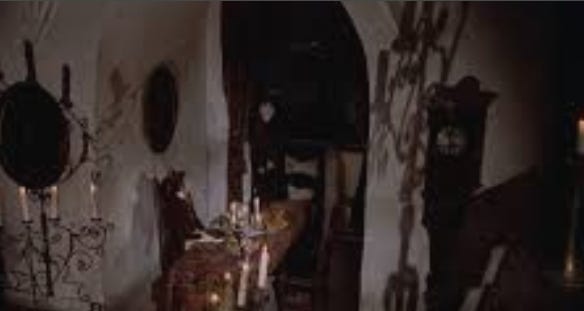
Nosferatu the vampyre. Shadows amplify the mood of horrors.
**
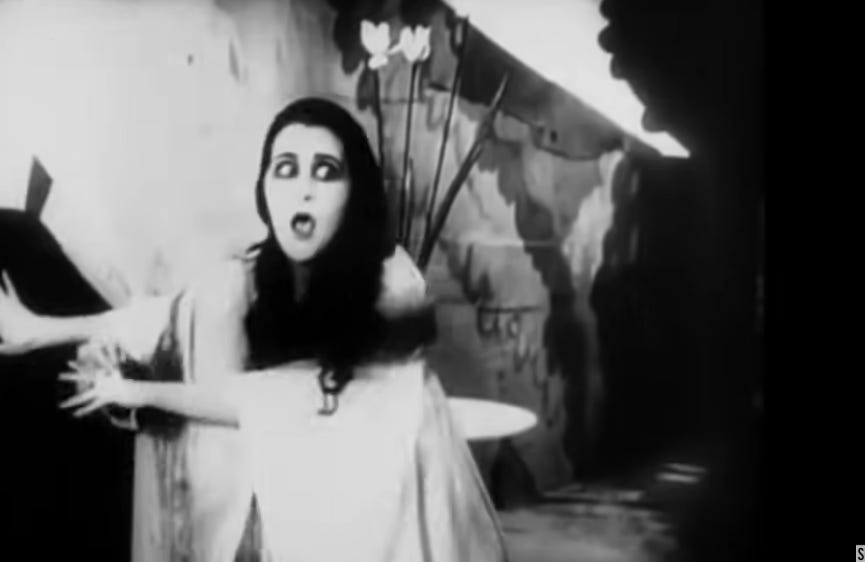
The Cabinet of Dr Caligari. Theatrical makeup was an inevitable factor for the early silent films. Here, what could be really scary might be in a somewhat blurred territory for modern movie viewers.
**
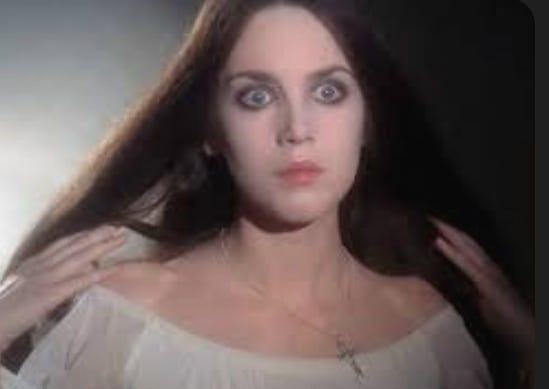
Nosferatu the Vampyre. Courageous Lucy with an early cinéma eyelines.
**
The climax of the story in Nosferatu is the ultimate counter-scene of Lucy’s seduction on the bed to make the vampire not to go back to his coffin upon the sunrise. Vaguely as if a horror movie of Shakespeare, he was not able to flee away from her bed. Love is a fate in multiple ways in this film.
*****
Class horror, classique by Juliette Masch (1/19/26)